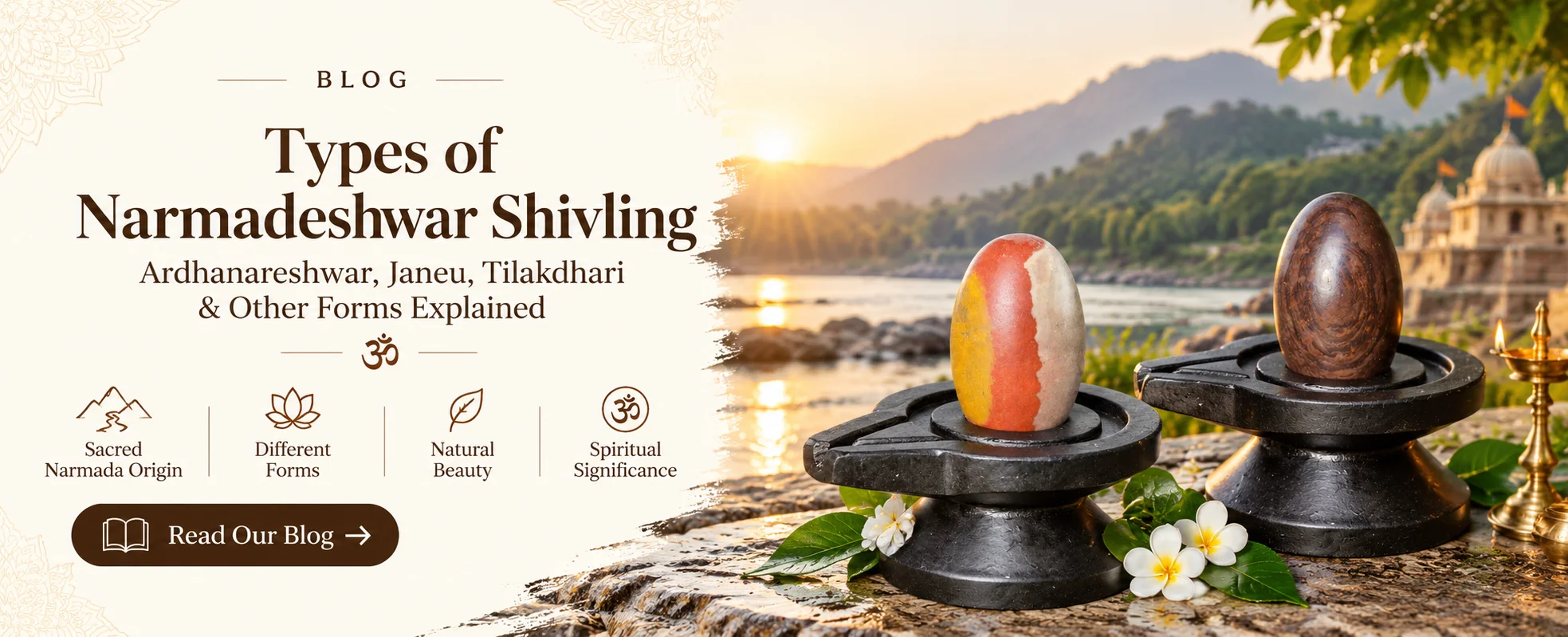
Narmadeshwar Shivlings are appreciated for their natural patterns and distinctive appearances. When exploring different Shivling collections, devotees may come across names such as Ardhanareshwar, Janeu and Tilakdhari.
These names describe different traditional forms, symbolic associations or visible features.
Understanding these forms can help buyers appreciate the cultural and devotional significance of the Shivling they choose.
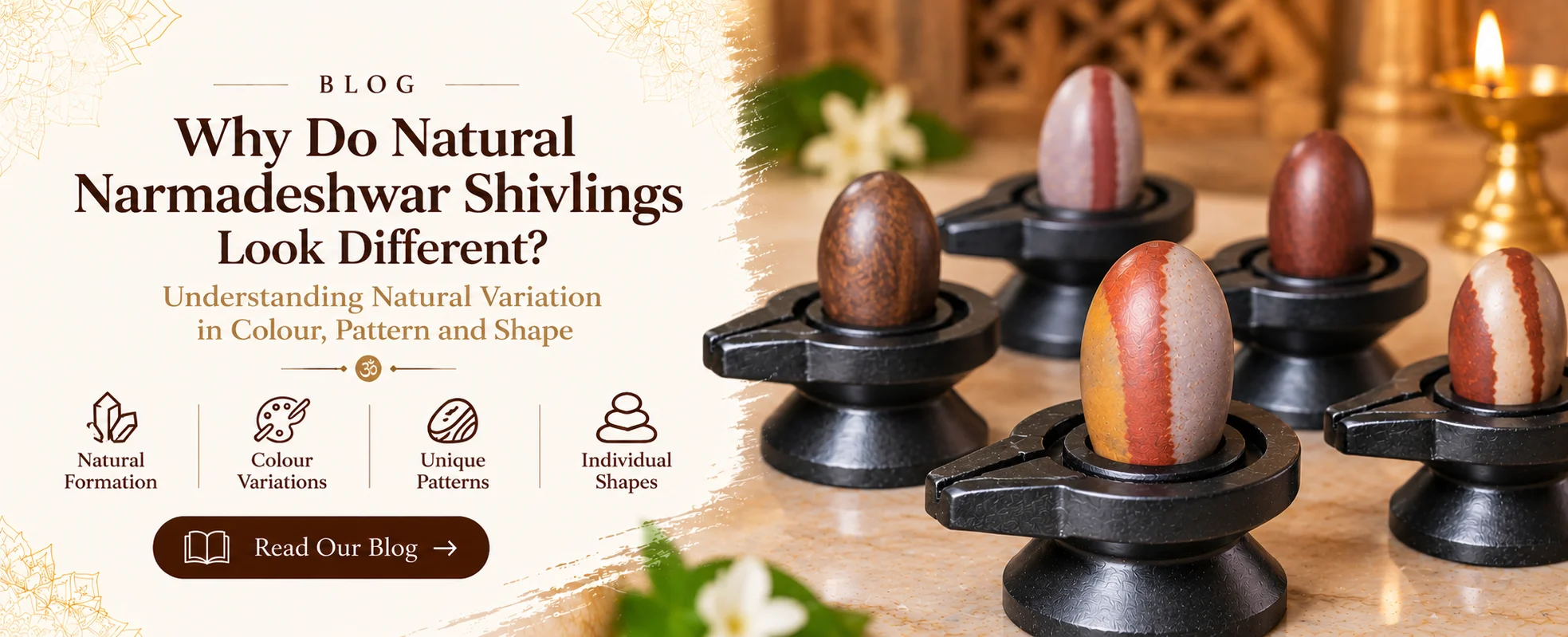
Natural Narmadeshwar Shivlings are traditionally associated with stones found in the Narmada River.
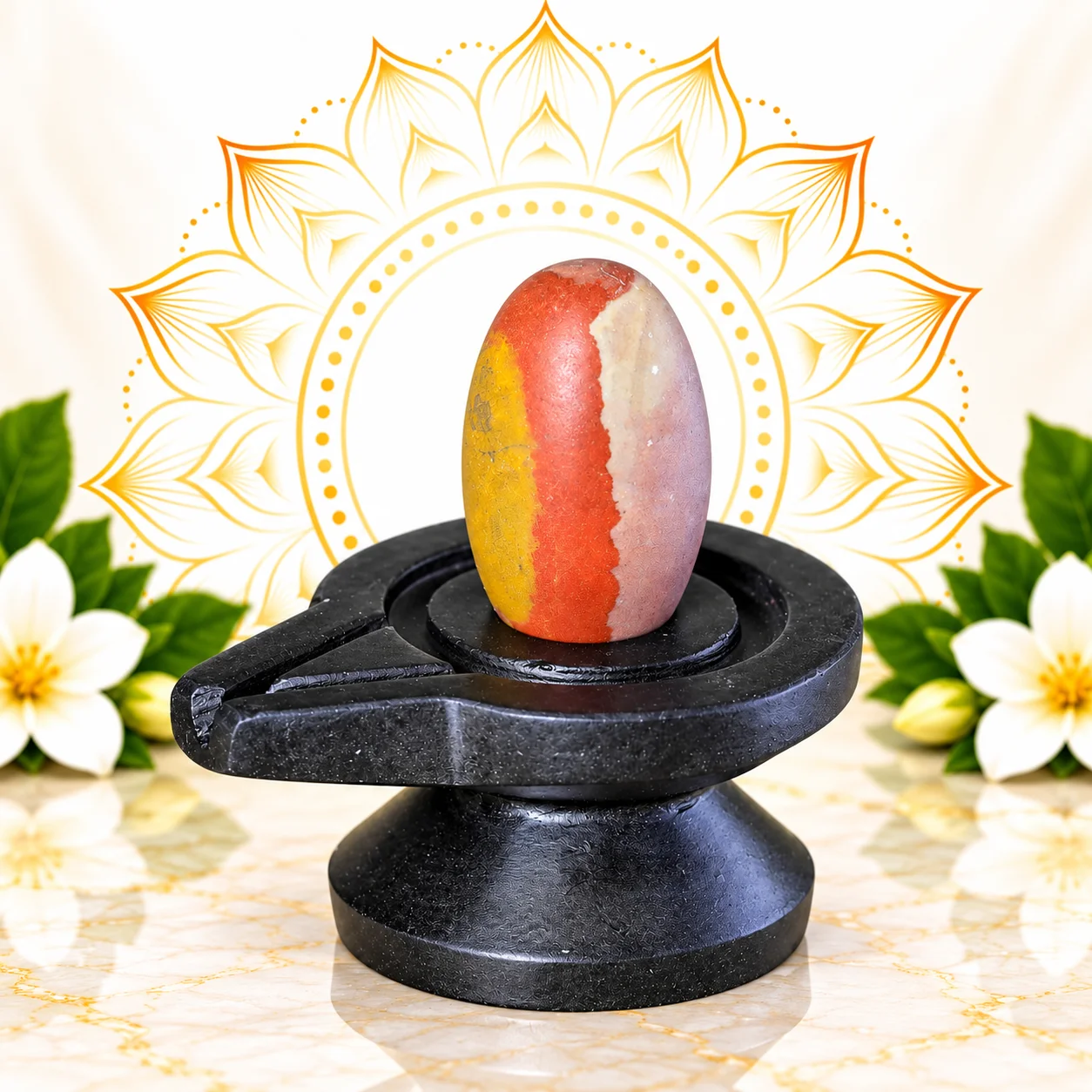
Their appearance may vary considerably. Some stones have lighter patterns, while others display darker shades and distinctive markings.
Their individual appearance is one of their defining characteristics.
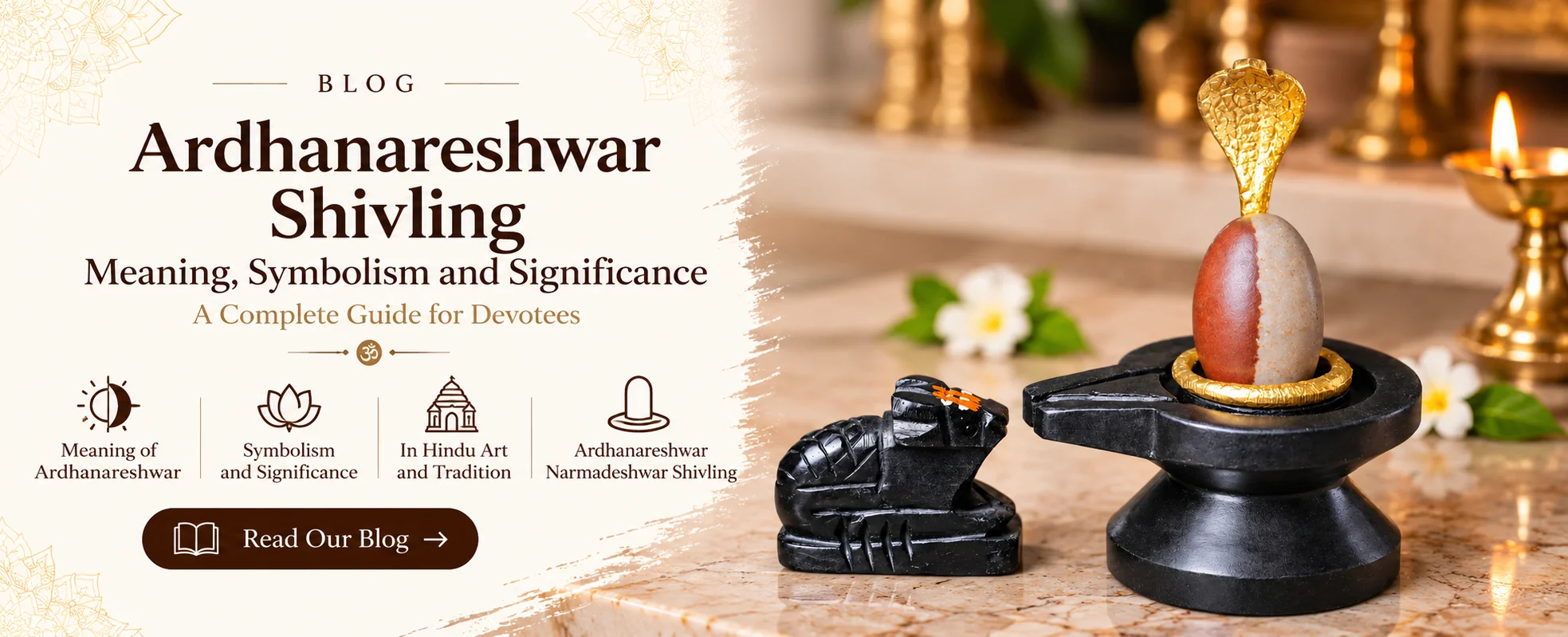
Ardhanareshwar represents the combined form of Lord Shiva and Goddess Parvati.
It is a significant concept in Hindu philosophy and iconography, symbolising the complementary aspects of masculine and feminine principles.
Ardhanareshwar imagery is often associated with harmony, balance and the unity of complementary forces.
Explore the Ardhanareshwar Shivling for Home.
Janeu refers to the sacred thread used in Hindu religious traditions.
A Janeu-style Shivling is recognised by a marking or design associated with this sacred thread.
Many devotees appreciate this traditional appearance when exploring different forms of Narmadeshwar Shivling.
Tilak is an important symbol in Hindu religious practices.
The term Tilakdhari is used for a Shivling featuring a distinctive marking resembling a tilak.
Such markings may be natural or part of the recognised design of a particular Shivling.
The Sanskrit word Swayambhu refers to something believed to be self-manifested.
In Hindu religious traditions, the term is used for sacred forms believed to have manifested naturally.
It is important not to classify every naturally shaped stone as Swayambhu without a reliable traditional basis.
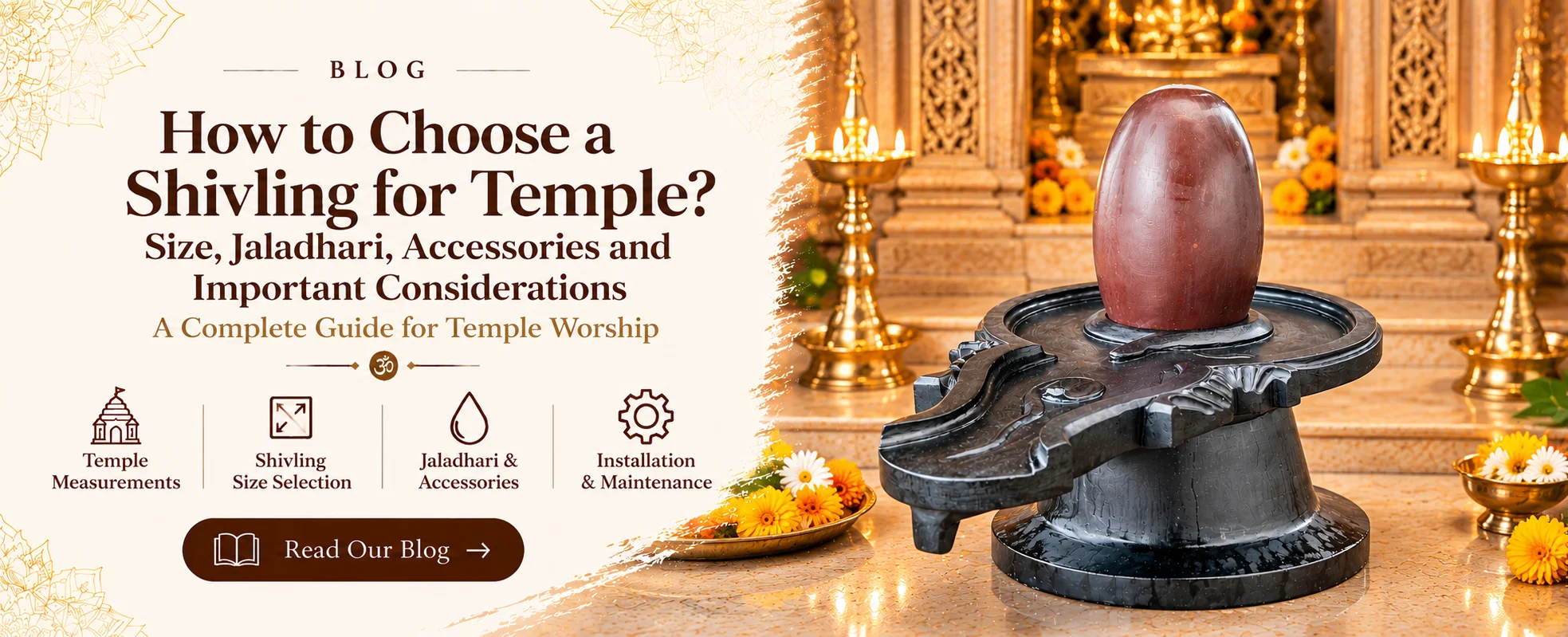
When choosing a Shivling, consider:
The traditional form that interests you.
The natural appearance of the stone.
Available dimensions.
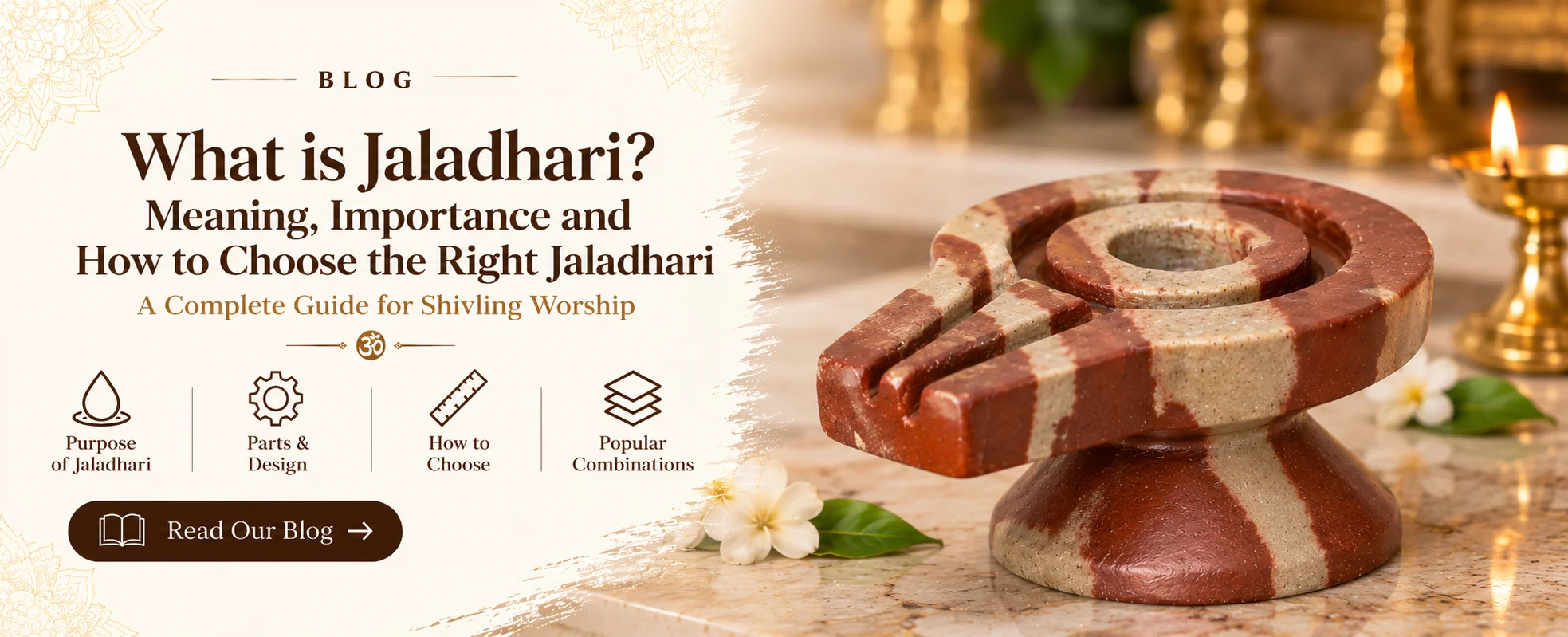
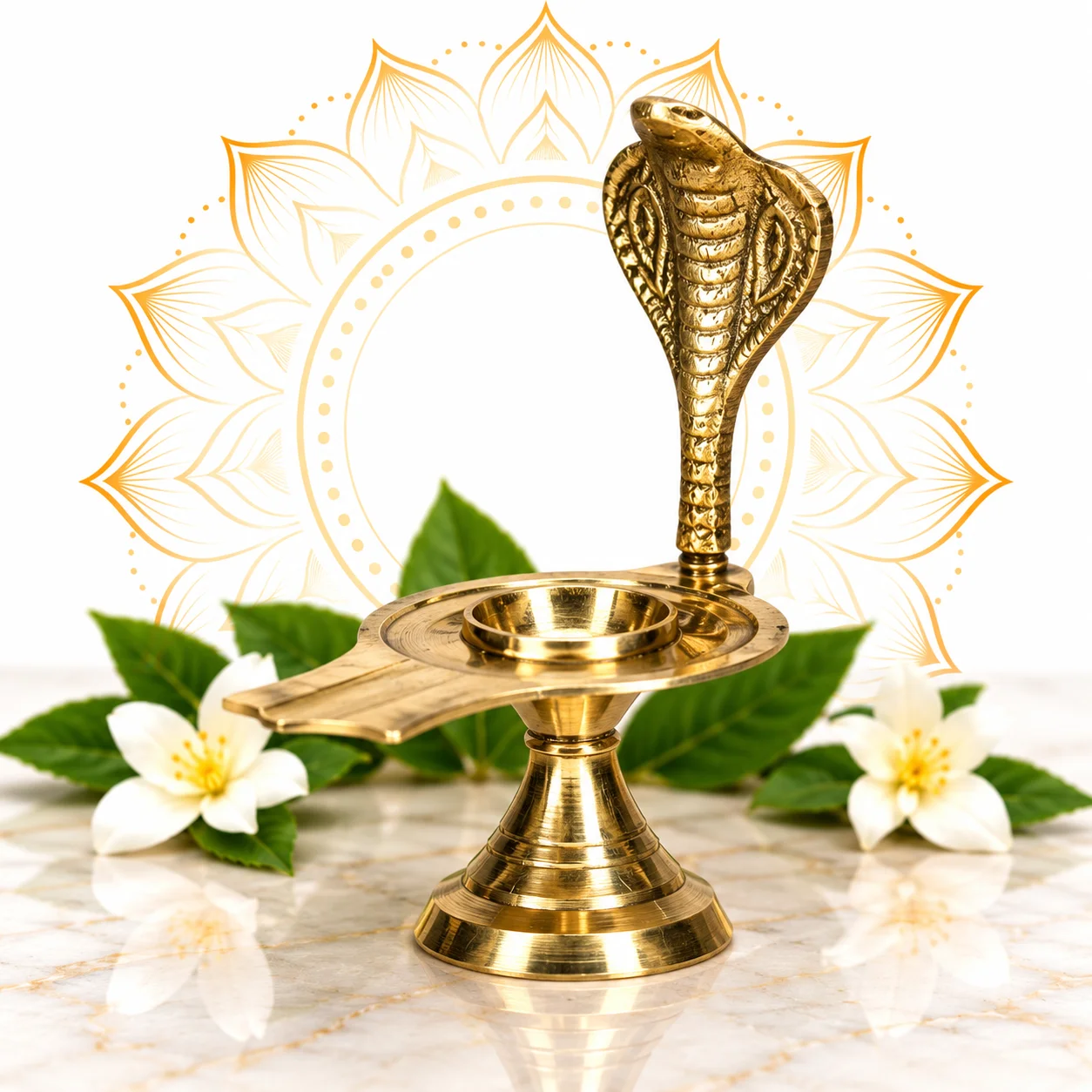
The design of the Jaladhari.
The intended worship space.
The product's actual photographs and description.
Visit Neelkanth Shivling Stone to explore different Shivling styles and sizes.
1. What is an Ardhanareshwar Shivling?
It is associated with the combined form of Lord Shiva and Goddess Parvati.
2. What does Janeu mean?
Janeu refers to the sacred thread used in Hindu traditions.
3. What does Tilakdhari mean?
It describes a form featuring a marking resembling a traditional tilak.
4. Are all these forms naturally occurring?
Not necessarily. Some names describe traditional symbolism or visible designs rather than a specific geological formation.
The different forms of Narmadeshwar Shivling reflect the richness of Hindu religious symbolism and natural stone traditions.
Understanding their names, appearances and meanings can make the selection process more informed and meaningful.